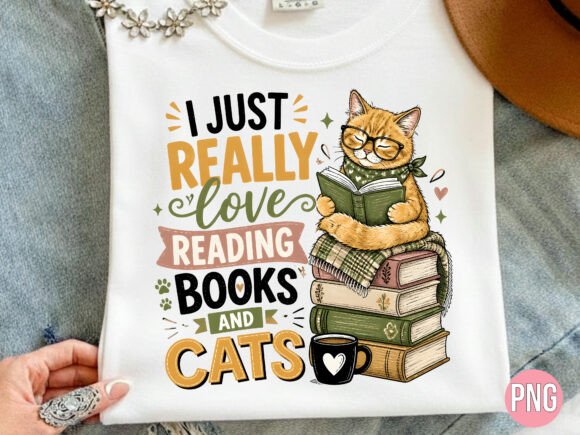
Cat Reading Book Sublimation Design
There’s something quietly charming—and surprisingly versatile—about a Cat Reading Book Sublimation Design. It’s not just a cute illustration; it’s a functional, print-ready digital asset built for real-world use. Whether you're customizing a ceramic mug for your indie bookstore, designing a cozy throw pillow for your Etsy shop, or crafting a themed greeting card for a book-loving friend, this design bridges creativity and practicality. But like any digital product, its value depends entirely on how well it’s made—and how thoughtfully you use it.
What This Design Actually Is (and What It Isn’t)
A Cat Reading Book Sublimation Design is a high-resolution, transparent-background PNG file optimized for heat-transfer printing methods—especially sublimation—but also fully compatible with screen printing, vinyl cutting, DTG, and standard inkjet printing on transfer paper. It’s not a physical item. It’s not a pre-printed sticker or a ready-made t-shirt. It’s a digital tool: clean, scalable, and intentionally flexible.
That transparency matters—not just aesthetically, but functionally. A true transparent background means the design drops cleanly onto colored fabrics, glossy mugs, or textured notebooks without white halos or jagged edges. And 300 DPI resolution ensures crisp lines and rich detail, even when scaled to fit a large tote bag or shrunk for a delicate enamel pin.
Common Missteps—and Why They Cost Time or Money
Many people assume “sublimation design” means “works everywhere.” That’s not quite right. One frequent mistake is downloading a design without verifying its technical specs first. Some sellers label low-res JPEGs or RGB files with clipped backgrounds as “sublimation-ready”—but those won’t hold up on polyester blends or ceramic blanks. The result? Blurry text, muddy colors, or awkward white borders that require manual editing before printing.
Another oversight: skipping compatibility checks. Not all design software handles transparent PNGs the same way. Older versions of Cricut Design Space or certain free graphic editors may flatten transparency or misinterpret layer data. If you’re planning to cut vinyl or prep for embroidery digitizing, that invisible background becomes very visible—very quickly.
Then there’s the assumption that one design fits all surfaces. A cat reading a book looks lovely on a soft cotton tee—but sublimation requires polyester or polymer-coated substrates for full color vibrancy. Using it on a 100% cotton mug blank without a poly coating often leads to faded, washed-out results. The design isn’t flawed—the application context is mismatched.
How to Choose—and Use—This Design Wisely
Start by confirming what’s inside the download. This Cat Reading Book Sublimation Design comes in a single ZIP folder containing one PNG file—no PSD layers, no AI vector, no alternate colorways. That’s intentional: it keeps things simple for beginners while delivering professional-grade output. But if you need editable layers or CMYK profiles for commercial offset printing, this isn’t the file for that specific use case. Know your goal before you open the archive.
Before downloading, ask yourself two questions:
- Do I have software that supports transparent PNGs? Try opening a sample transparent PNG in your preferred program—if the background shows as checkered (not white or black), you’re good to go.
- What am I printing on—and how? For sublimation: use polyester fabric, coated ceramics, or aluminum blanks. For iron-on transfers: choose a high-quality printable HTV or transfer paper rated for your printer type (inkjet vs. laser).
Real-world example: Sarah, a teacher launching a small stationery line, bought a similar cat-and-book design online—only to discover it was 72 DPI and lacked transparency. She spent three hours in GIMP removing the background, then had to rescale it for her tumbler order. The final print looked pixelated near the cat’s whiskers. With this Cat Reading Book Sublimation Design, she’d have skipped that step entirely—because the file arrives production-ready.
Where This Design Shines (and Where to Pause)
This design excels where clarity, charm, and consistency matter most: print-on-demand storefronts (Redbubble, Teespring), craft fairs, classroom resources, book club swag, or personalized gifts. Its balanced composition—cat centered, book open, gentle line weight—translates beautifully across sizes and materials. On a 12 oz tumbler? Crisp and legible. On a 5×7 greeting card? Warm and inviting.
It’s less ideal for applications requiring intricate color gradients, metallic effects, or multi-step layering—those demand vector files or layered PSDs. Likewise, if your project needs licensing for resale on mass-market platforms (like Amazon Merch), double-check the included license terms. This design permits both personal and commercial use—but always review the fine print for platform-specific restrictions.
A Few Practical Tips Before You Print
• Test first. Print a small version on scrap material—even if it’s just copy paper—to verify sizing, alignment, and color fidelity. Monitor calibration can shift perceived tones.
• Respect the bleed. While this PNG has no built-in bleed, leave at least 0.125" margin around the design when placing it in your print template—especially for mugs or tumblers where wrapping tension can crop edges.
• Save smart. Once downloaded, extract the ZIP folder immediately. Don’t edit or re-save the original PNG as JPEG—it discards transparency and compresses quality. Keep the source file untouched; work from duplicates.
• Think beyond apparel. This design works just as well on bookmarks, laminated lesson plans, library-themed bulletin boards, or even as a subtle watermark on digital worksheets—its quiet sophistication adapts without shouting.
At its core, the Cat Reading Book Sublimation Design isn’t about chasing trends. It’s about having a reliable, well-built element that saves time, elevates presentation, and supports your creative intent—whether you’re a solopreneur launching your first POD store or a parent making custom birthday favors. When you pair thoughtful selection with intentional use, even a simple image becomes a quiet advantage.